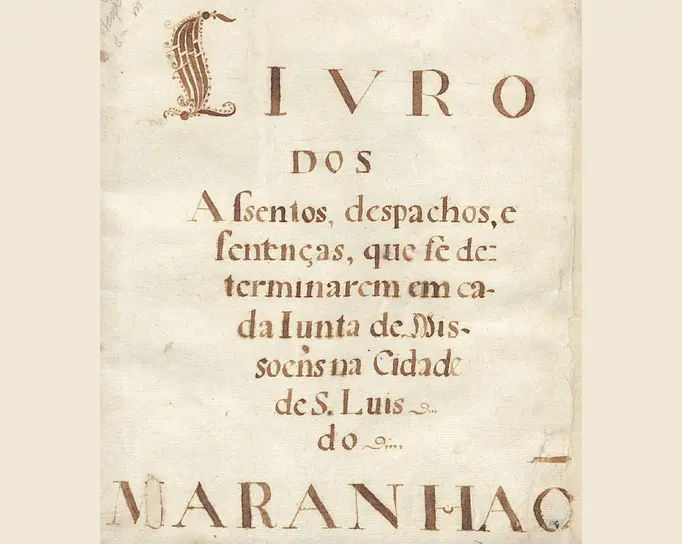
This project examines how Indigenous peoples in Portuguese Amazonia contributed to the historical construction of normative regimes in the seventeenth and eighteenth centuries. It explores how legal categories such as captivity, slavery, and freedom were not simply imposed on Indigenous subjects, but were reinterpreted and made intelligible through Indigenous legal knowledge and socially embedded practices. Rather than passive recipients of imperial law, Indigenous individuals and their kin engaged in dynamic processes of legal translation and negotiation, particularly in courts such as the Juntas das Missões. In these settings, memory, kinship, and customary practices operated as powerful tools of legal argumentation.