Projects

Research Projects

Indigenous knowledge: making captivity, slavery and freedom intelligible in Portuguese Amazonia (17th–18th centuries)

Host Institution:

Max Planck Institute for Legal History and Legal Theory (Frankfurt am Main, Germany)

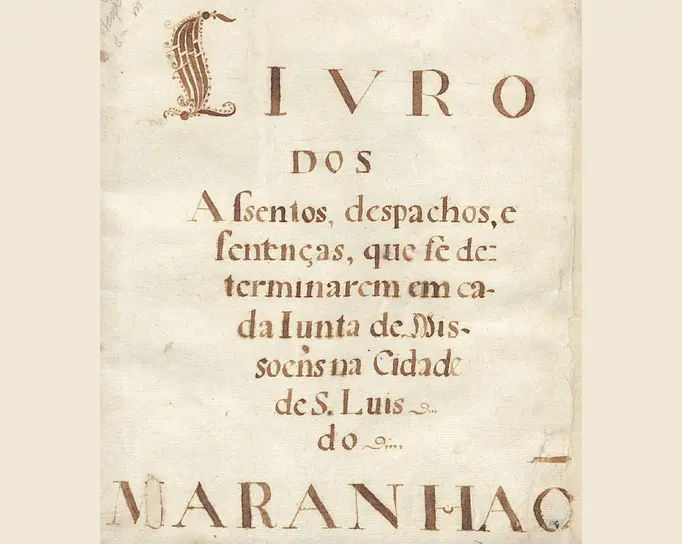
This project examines how Indigenous peoples in Portuguese Amazonia contributed to the historical construction of normative regimes in the seventeenth and eighteenth centuries. It explores how legal categories such as captivity, slavery, and freedom were not simply imposed on Indigenous subjects, but were reinterpreted and made intelligible through Indigenous legal knowledge and socially embedded practices. Rather than passive recipients of imperial law, Indigenous individuals and their kin engaged in dynamic processes of legal translation and negotiation, particularly in courts such as the Juntas das Missões. In these settings, memory, kinship, and customary practices operated as powerful tools of legal argumentation.
Revisiting Dutch Brazil

Host Institution:

Mauritshuis, The Hague, The Netherlands

Subproject: ‘Negotiated freedoms: Indigenous memories of the Portuguese-Dutch wars and the indigenous policies in the Portuguese Amazon’

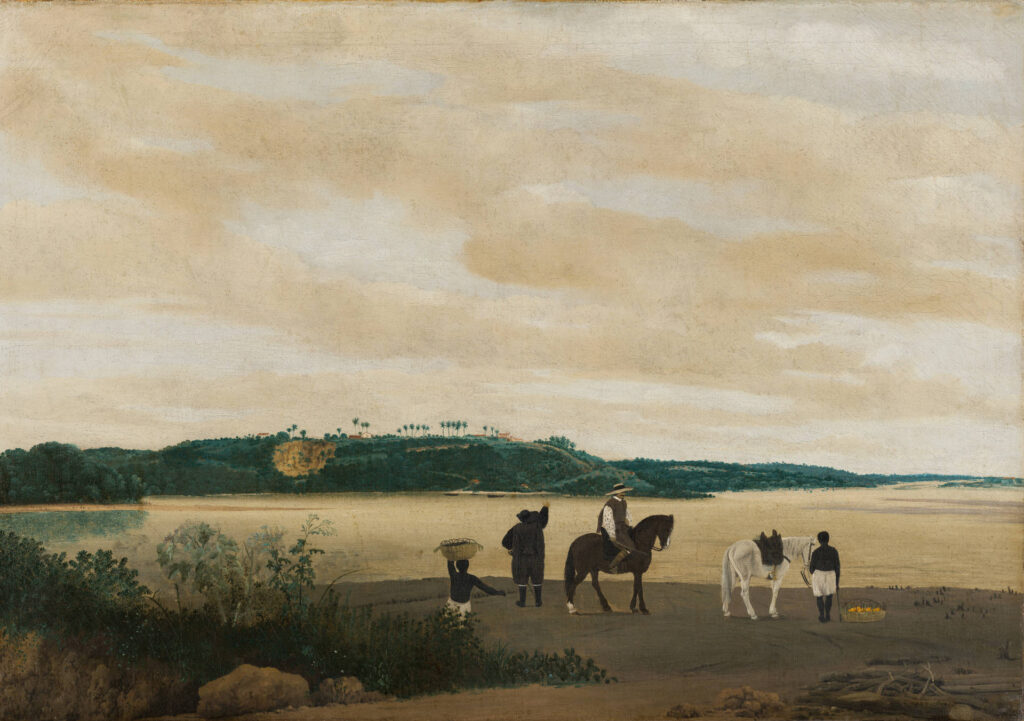
This research aims to understand the importance of the Amazon and indigenous peoples in the context of the globalization of European states in the Early Modern Era. André will highlight the intermediation and negotiations between Europeans and indigenous peoples in the exploration of that region. This will emphasize the impact of the Portuguese-Dutch wars on the policies that regulated slavery and the freedom of the natives during this period. The sources provide evidence - vassal relations; indigenous families; Atlantic mobilities; wars - that demonstrate how slavery and freedom of the Indians were inserted in a complex political and social practice of negotiation and intermediation between Portuguese, Dutch, and natives.